Uxbridge High Street Rubbish Collection -- Trusted Hillingdon
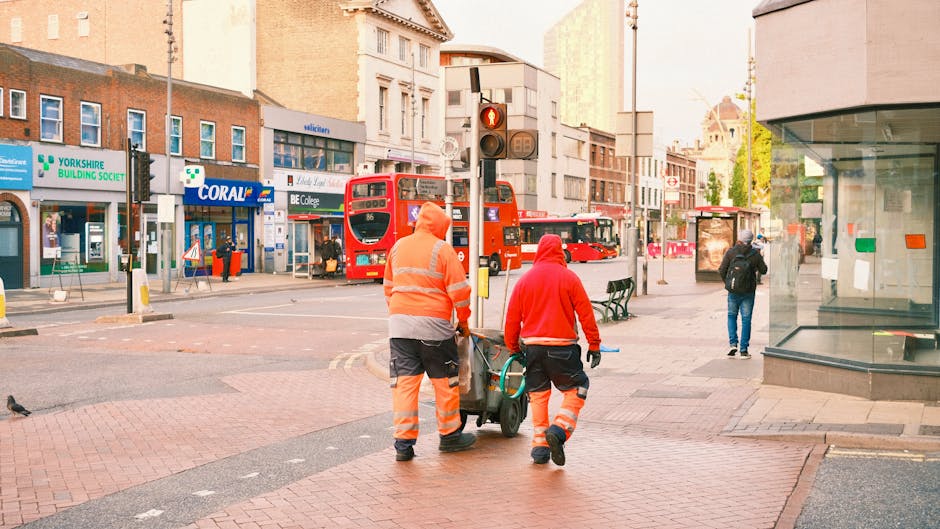
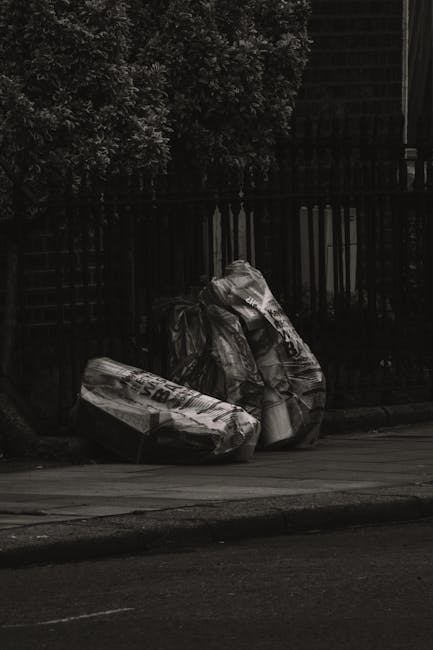
When rubbish starts to build up on or around Uxbridge High Street, it can affect far more than appearances. It can slow down trading, create awkward access problems, draw complaints from neighbours, and make a busy local area feel harder to manage. That is why Uxbridge High Street rubbish collection in trusted Hillingdon matters: it is not just about taking waste away, but about doing it reliably, safely, and with minimal disruption.
This guide explains how professional rubbish collection in a high-street setting typically works, who it helps, what to expect, and how to choose a service that fits your needs. If you are dealing with shop waste, office clear-out debris, bulky items, or a general build-up that needs clearing promptly, the right approach makes the job much easier. And yes, the difference between a smooth collection and a frustrating one usually comes down to the basics: timing, communication, and proper disposal.
If you also manage other property-related cleaning or clearance tasks, you may find it useful to explore our wider service information on services overview, or read practical local articles such as a local's guide to exploring the community of Paddington and selling property in Paddington tips. Those pages are not about rubbish collection specifically, but they help show how well-kept premises support a stronger local impression.
Table of Contents
- Why Uxbridge High Street Rubbish Collection -- Trusted Hillingdon Matters
- How Uxbridge High Street Rubbish Collection -- Trusted Hillingdon Works
- Key Benefits and Practical Advantages
- Who This Is For and When It Makes Sense
- Step-by-Step Guidance
- Expert Tips for Better Results
- Common Mistakes to Avoid
- Tools, Resources and Recommendations
- Law, Compliance, Standards, or Best Practice
- Options, Methods, or Comparison Table
- Case Study or Real-World Example
- Practical Checklist
- Conclusion
- Frequently Asked Questions
Why Uxbridge High Street Rubbish Collection -- Trusted Hillingdon Matters
High streets operate differently from quiet residential streets. Traffic, pedestrians, deliveries, opening hours, loading restrictions, and customer flow all make waste handling more sensitive. A collection that would be straightforward at a suburban property can become complicated in a busy retail or mixed-use setting. That is especially true if waste is left near entrances, stacked poorly, or collected at the wrong time.
In practical terms, reliable rubbish collection helps protect three things: appearance, safety, and business continuity. A clutter-free frontage looks more professional. Clear access reduces trip hazards and blocked pathways. Timed removal helps staff keep serving customers instead of dealing with a growing pile of boxes, packaging, broken fixtures, or general waste.
For landlords, letting agents, shop owners, and office managers, there is also a reputational angle. People notice the outside before they ever step inside. That is not glamorous, but it is true. A tidy frontage sends a message that the property is managed properly, and in a place like Uxbridge High Street, that matters.
There is another layer too: waste must be handled responsibly. Whether the material is cardboard, old shelving, office clutter, or mixed rubbish from a refurbishment, it should be sorted and disposed of correctly. If you are managing a larger property project elsewhere in the borough, our guide on waste removal in Hillingdon gives a useful sense of how organised clearance is usually approached across different sites.
Expert summary: The best rubbish collection service is not just fast. It is planned, careful, and matched to the realities of a busy high-street environment.
How Uxbridge High Street Rubbish Collection -- Trusted Hillingdon Works
The process is usually simpler than people expect, but good service depends on a few important steps being done properly. A professional collection tends to begin with an assessment of what needs removing, where it is located, and how accessible it is. This matters because high-street access can change quickly depending on deliveries, footfall, and parking restrictions.
In many cases, the collection process follows this pattern:
- Initial enquiry: You explain the type and amount of rubbish, where it is, and when collection is needed.
- Assessment or estimate: A team reviews the scope so they can bring the right vehicle, labour, and equipment.
- Arrival and access check: The crew confirms safe access and identifies what can be removed immediately.
- Loading and separation: Waste is lifted, sorted, and loaded carefully to avoid damage or obstruction.
- Responsible disposal: Items are taken away for appropriate processing, reuse, recycling, or disposal where suitable.
That sounds basic, but the devil is in the detail. For example, if a shop has a sudden stock-room clear-out, it may need a different approach from a regular back-of-house waste collection. Likewise, if the rubbish includes bulky furniture or dismantled fixtures, labour and vehicle choice become important.
Some clients also need multiple services bundled together. A clear-out can be paired with a deeper clean or a full premises reset. That is why some businesses like to review options such as office clearance and house clearance when they are comparing what kind of removal support they actually need. Even though the setting differs, the principle is the same: match the method to the job rather than forcing the job into one method.
Key Benefits and Practical Advantages
The biggest benefit is straightforward: you get space back quickly. But there is more to it than that. In a live commercial area, quick removal can prevent waste from turning into a management problem. It frees up pathways, back rooms, stock areas, and loading points. It also reduces the chance of waste being left out for longer than intended, which can attract complaints or create a poor first impression.
Here are the practical advantages that usually matter most:
- Less disruption: Collections can be arranged to avoid peak trading periods.
- Cleaner presentation: A tidy frontage helps your property look cared for.
- Safer access: Removing loose waste reduces trip and obstruction risks.
- Better workflow: Staff can focus on normal tasks instead of moving clutter around.
- More suitable disposal: A proper service sorts waste responsibly rather than treating everything the same.
- Flexible scope: From one-off rubbish to fuller clearances, the service can scale to the job.
There is also a commercial benefit that is easy to overlook: speed often saves money indirectly. If your team spends half a day shifting rubbish because the right clearance was not booked, that is labour lost. A well-planned collection is often the calmer and more efficient route. Not exciting, admittedly. Very useful, though.
If you are comparing service depth rather than just convenience, our detailed pages on furniture disposal and furniture clearance show how different item types are usually handled in a structured removal process.
Who This Is For and When It Makes Sense
Uxbridge High Street rubbish collection is useful for a surprisingly wide range of people. It is not only for retailers with overflowing bins. It can help landlords, office managers, hospitality venues, property agents, tradespeople, and anyone responsible for maintaining a high-traffic premises.
It makes sense when you are facing one of these situations:
- a shop refit or internal clear-out has produced mixed waste
- cardboard, packaging, and broken display materials are building up
- an office is changing layout or reducing storage items
- a landlord needs a property cleared between occupiers
- bulky items are too large for routine collection channels
- there is a time-sensitive need to restore order before opening hours
It is also valuable when the waste is awkward rather than simply heavy. Think of broken shelving, awkward packaging, mixed household-style items from an above-shop flat, or old stock that should not be left exposed. These are the jobs where a practical clearance team earns its keep.
For businesses operating across wider Hillingdon or nearby areas, it can help to look at broader service pages like business waste removal and office clearance so you understand whether you need a one-off collection or an ongoing arrangement.
Step-by-Step Guidance
If you want the smoothest possible collection, a little preparation pays off. You do not need to turn the place upside down before the team arrives, but you do need to make the job clear and accessible. Here is a practical way to approach it.
- List the waste types. Separate general rubbish, furniture, cardboard, and any items that may need special handling.
- Estimate volume realistically. A few bags, a van-load, and a full premises clear-out are all very different jobs.
- Check access. Note loading restrictions, narrow entrances, stairs, lifts, and any timing constraints.
- Decide what stays. Label items that must not be removed, especially in shared or mixed-use spaces.
- Arrange the timing. Choose a window that reduces disruption for staff, customers, or neighbours.
- Confirm disposal expectations. Ask how the waste will be handled, especially for reusable or recyclable items.
- Review the site after collection. Make sure the area is clear and that nothing important was taken by mistake.
A small but helpful tip: photograph the waste area before and after the job. It creates clarity for everyone involved and helps with internal record-keeping. It also avoids the classic "I thought that box was staying" moment, which nobody enjoys.
If you are booking related cleaning alongside removal, it is worth planning the sequence. Clearance first, then clean-up, usually works best. Our service pages for deep cleaning and one-off cleaning show how a property reset can be organised after the clutter is gone.
Expert Tips for Better Results
The best rubbish collection outcomes usually come from good preparation, clear communication, and realistic timing. That may sound obvious, but it is amazing how often these basics are skipped.
- Book earlier than you think you need to. High-street access is easier to manage when the collection is not squeezed into a rushed slot.
- Group items logically. Keep similar waste together so the team can load efficiently.
- Separate reusable material if possible. This can help with recycling and may reduce unnecessary disposal.
- Keep walkways clear. Even a well-managed pile becomes a problem if it blocks access.
- Be specific about awkward items. Fragile displays, sharp metal, or heavy units need to be mentioned upfront.
- Plan around busy periods. For some sites, early morning or quieter trading windows are the least disruptive.
There is a mindset point here too: think of rubbish collection as part of property management, not a separate nuisance. That small shift tends to lead to better results. When waste is treated as something to schedule properly, the whole site runs more smoothly.
For businesses in the borough that want to align waste handling with wider premises care, our local guide on office cleaning is a useful reminder that presentation and hygiene often go hand in hand. A clean, uncluttered space supports better day-to-day operations.
Common Mistakes to Avoid
Most clearance problems are preventable. The most common mistake is underestimating how much waste has actually accumulated. A few black bags can quickly become a much larger job once loose packaging, broken fittings, and hidden storage clutter are gathered together.
Other frequent mistakes include:
- Leaving the booking too late: This can force you into a time slot that creates disruption.
- Not checking access properly: Narrow passages, parking issues, and stair-only access can slow things down.
- Mixing everything together: It makes sorting harder and can reduce recycling opportunities.
- Failing to label keep-items: Shared premises are especially prone to accidental removal of items that should remain.
- Assuming all waste is the same: Bulky furniture, electronics, and general rubbish may require different handling.
- Ignoring post-collection cleanup: A cleared area is good; a swept and usable area is better.
Another one worth mentioning: do not treat professional collection as a substitute for basic site preparation. If the team has to spend the first fifteen minutes asking where they can safely walk, the whole job gets slower. Clean access helps everyone.
Tools, Resources and Recommendations
You do not need specialist equipment for most rubbish collection jobs, but a few simple tools and resources help a lot. For property managers or business owners, a basic clearance plan can save time and reduce mistakes.
- Storage labels or tape: Useful for marking items that are not to be removed.
- Site photos: Good for internal records and for showing the waste location clearly.
- Access notes: Record parking instructions, entry codes, loading restrictions, and timing rules.
- Waste list: A simple written list prevents missed details when requesting a quote.
- Contact sheet: Handy if a landlord, tenant, manager, and contractor all need to stay aligned.
For more support around arranging the next step, you can use the main contact page or go directly to the request a quote page if you already know what needs removing. If you want to understand how pricing is generally presented, the pricing and quotes page is also worth a look.
If compliance and reassurance matter to you, it can help to review supporting policies such as health and safety, insurance and safety, and terms and conditions. These pages do not replace a direct service conversation, but they do help you understand how a professional operator frames responsibility and customer protection.
Law, Compliance, Standards, or Best Practice
Waste removal in the UK is not something to treat casually. Even for a straightforward collection, it is sensible to use a provider that understands responsible disposal, duty of care, and safe handling practices. The exact legal duties can vary depending on the type of waste and the premises involved, so it is always wise to check details against the current rules that apply to your situation.
As a general best practice, you should expect the following:
- Safe handling of waste: Items should be moved in a way that reduces risk to staff, customers, and the public.
- Appropriate disposal routes: Waste should be taken to the right facilities or processing streams where possible.
- Clear communication: The provider should explain what they can collect and any limits on items.
- Insurance awareness: A reputable company should be able to discuss safety and liability in sensible terms.
- Respect for access conditions: High-street loading and pedestrian safety need to be considered carefully.
It is also sensible to ask whether a provider can work in a way that supports recycling and reuse. That does not mean every item will be reused, of course. Some waste is simply waste. But separating suitable items from general rubbish is a sensible standard and usually the preferred approach.
For further reassurance, you can review pages that outline the company's broader approach to responsible operation, such as about us, privacy policy, and modern slavery statement. Those pages speak to governance and transparency, which are part of trust as much as the work itself.
Options, Methods, or Comparison Table
Different rubbish situations call for different methods. The right choice usually depends on volume, urgency, access, and item type. Below is a simple comparison to help you think clearly before you book.
| Method | Best for | Pros | Limitations |
|---|---|---|---|
| Routine bin collection | Regular low-volume waste | Simple and familiar | Not suitable for bulky or one-off clear-outs |
| One-off rubbish collection | Unexpected build-up or short-term need | Flexible and quick | Needs clear item details and timing |
| Full clearance service | Large mixed waste or premises reset | More comprehensive | Usually requires more planning |
| Item-specific removal | Furniture, fixtures, or specialist items | Efficient for awkward loads | May need separate handling or sorting |
For many Uxbridge High Street properties, the answer is a hybrid of these methods. A business might rely on regular waste collection most of the time, then bring in a targeted clearance when stock, furniture, or packaging starts to overwhelm normal routines. That is usually the point where a trusted local team becomes especially valuable.
If you are dealing with older furniture or mixed property contents, pages like home clearance and furniture disposal can help you see how a wider clearance process is often structured across different property types.
Case Study or Real-World Example
Imagine a small independent retailer on Uxbridge High Street preparing for a display refresh. The stock room has cardboard, broken packaging, redundant display fixtures, and a few bulky items that have been sitting in the corner for weeks. Staff can work around it, but barely. Every delivery day makes it worse.
Instead of asking the team to manage it in bits and pieces, the shop books a scheduled rubbish collection for a quieter morning. The waste is grouped in advance, access is cleared, and fragile items are labelled. The crew arrives, removes the load efficiently, and leaves the space open enough for restocking. By the afternoon, the shop floor looks calmer and the stock room works properly again.
That is the real value of a trusted collection service: it removes friction, not just rubbish. The owner saves time, the staff stop tripping over boxes, and the premises are easier to manage the next day. Simple outcome, big difference.
For properties that need the same kind of reset but at a larger scale, a more comprehensive service such as flat clearance or home clearance may be more appropriate. The principle remains the same: match the clearance level to the real-world mess.
Practical Checklist
Use this checklist before you arrange your collection. It keeps things simple and reduces last-minute surprises.
- Have you identified all the waste that needs removing?
- Have you estimated the amount honestly, including hidden storage areas?
- Are access routes clear and safe?
- Have you noted any parking, loading, or time restrictions?
- Have you separated items that must stay on site?
- Have you flagged any bulky, sharp, or fragile items?
- Have you chosen a time that suits the business or property?
- Do you know who will be on site to confirm the collection?
- Have you asked how the waste will be handled after removal?
- Have you kept records or photos if the job is part of a larger property project?
Quick takeaway: the more clearly you prepare, the faster and smoother the collection is likely to be. That is true whether you are clearing a shop frontage, a stock area, or a back-of-house space.
Conclusion
Uxbridge High Street rubbish collection in trusted Hillingdon is about more than simply taking waste away. It is about helping local properties stay safe, presentable, and workable in a busy environment. When waste is handled well, everything feels easier: customers move more freely, staff have more room to work, and the premises look properly cared for.
The most effective approach is usually the most organised one. Know what needs removing, prepare access, choose the right timing, and use a provider that treats the job with care. That combination saves time and avoids the common headaches that come with rushed or poorly planned waste removal.
For a wider view of related property services and support pages, you can also browse the main blog hub and the company's about us page to understand the people and process behind the service.
Get a free quote today and see how much you can save.
Frequently Asked Questions
What does rubbish collection on Uxbridge High Street usually include?
It typically covers general waste, packaging, bulky items, and mixed rubbish that needs to be removed from a shop, office, flat, or commercial premises. The exact scope depends on access, volume, and item type.
Is this the same as regular council waste collection?
Not usually. Council collections are routine and follow set schedules, while a professional rubbish collection is often used for one-off clear-outs, bulky waste, or situations that need faster or more flexible handling.
How quickly can a collection be arranged?
That depends on availability and the scale of the job. Smaller collections can often be arranged quickly, while larger or more complex clearances may need a little more planning.
Do I need to sort the rubbish before the team arrives?
Sorting is helpful but not always essential. At minimum, it is best to separate items that must stay, point out any fragile or hazardous-looking materials, and make sure access is clear.
Can bulky items like shelving or furniture be removed?
Yes, in many cases. Bulky items are often handled as part of a broader clearance or item-specific removal service, especially when they cannot be managed through routine waste channels.
What if my property has limited access?
Limited access does not automatically prevent a collection, but it should be explained in advance. Narrow entrances, stairs, loading restrictions, or pedestrian-only areas affect planning and timing.
How do I know if a provider is trustworthy?
Look for clear communication, sensible explanations of what they can and cannot take, visible policy information, and an organised approach to safety and disposal. Trust usually shows up in the basics.
Will the waste be recycled where possible?
Where practical, reputable providers aim to separate suitable items for recycling or reuse. Not every item will be recyclable, but responsible sorting is a good sign.
What should I ask before booking a collection?
Ask what the service includes, how access will be handled, what items are accepted, how disposal is managed, and whether the quote is based on item type, volume, or labour required.
Can rubbish collection be combined with a clean-up?
Yes, and that often works well. Many people arrange collection first and then follow with cleaning so the space is fully usable once the waste has gone.
Is there a best time to schedule collection on a high street?
Quieter periods are usually best. Early morning, off-peak trading hours, or times that avoid major deliveries can reduce disruption and make access easier.
What if I need help with a much larger clearance?
Then a full clearance service may be more appropriate than a simple rubbish pickup. Larger jobs often need a wider plan for access, labour, sorting, and disposal.
Where can I find more information or request a quote?
You can use the request a quote page or visit the contact page to ask about your specific rubbish collection needs.