Ruislip HA4 Garden Waste Clearance in Hillingdon: A Practical Guide for Busy Homes and Gardens
If your garden has started to look more like a holding area for branches, hedge clippings, broken fence panels, and bags of soil than a place to relax, you are not alone. Ruislip HA4 garden waste clearance in Hillingdon is one of those jobs that sounds simple until you are staring at a piled-up corner after a weekend of pruning. The real challenge is not just getting rid of the waste, but doing it efficiently, safely, and in a way that fits your property, your schedule, and local expectations.
This guide explains what garden waste clearance involves, how it works in practice, when it makes sense to use a professional service, and how to avoid the common mistakes that create extra cost or hassle. Whether you are clearing after a seasonal tidy-up, a landscaping project, or a full garden overhaul, you will find clear, local-minded advice here.
Quick summary: good garden clearance should remove the mess, protect your property, reduce trips to the tip, and leave recyclable green waste separated wherever possible. Done well, it saves time and keeps the garden job moving.
Table of Contents
- Why Ruislip HA4 Garden Waste Clearance in Hillingdon Matters
- How Ruislip HA4 Garden Waste Clearance in Hillingdon Works
- Key Benefits and Practical Advantages
- Who This Is For and When It Makes Sense
- Step-by-Step Guidance
- Expert Tips for Better Results
- Common Mistakes to Avoid
- Tools, Resources and Recommendations
- Law, Compliance, Standards, or Best Practice
- Options, Methods, or Comparison Table
- Case Study or Real-World Example
- Practical Checklist
- Conclusion
- Frequently Asked Questions
Why Ruislip HA4 Garden Waste Clearance in Hillingdon Matters
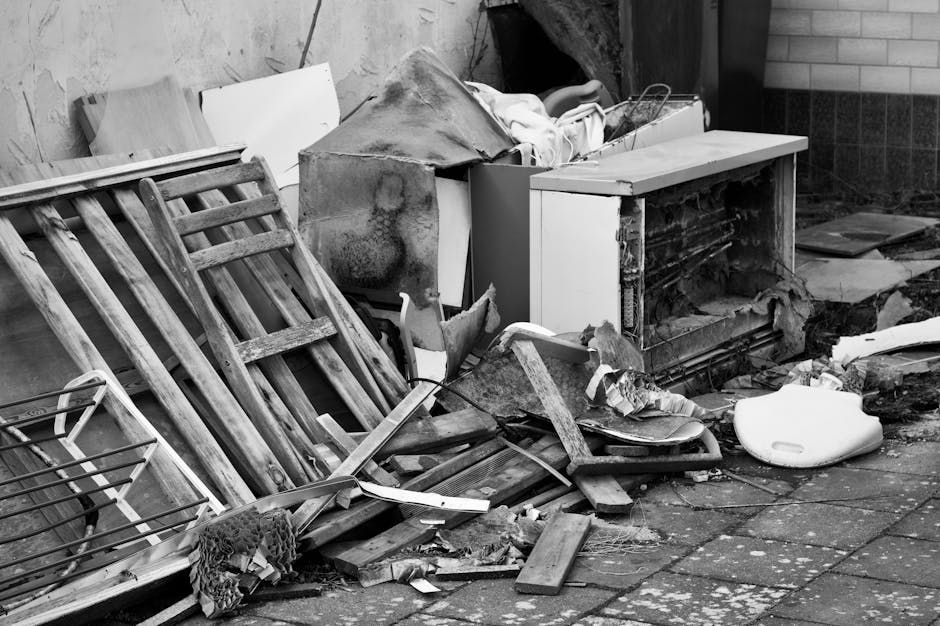
Garden waste has a habit of multiplying. One pruning session becomes several bags of clippings, then the old compost heap needs sorting, and suddenly there is a stack of branches too bulky for an ordinary bin. In Ruislip HA4, where many homes have valuable outdoor space that people actively use, a cluttered garden can quickly affect how the whole property feels.
Good clearance matters for more than appearances. It keeps pathways open, helps reduce trip hazards, and prevents damp, rotting, or pest-friendly piles from building up near fences, sheds, and walls. It also makes later garden work easier. If you are planning landscaping, turfing, fencing, or a seasonal reset, you usually need the waste removed before the next phase can begin.
There is also a practical local angle. Garden waste clearance in Hillingdon often needs to deal with a mixture of green waste and non-green items: broken pots, soil, plastic edging, timber offcuts, and sometimes even old garden furniture. Separating those materials properly is not just tidier; it can support better recycling and a smoother handover to the right disposal route. If you want to understand the broader service context, the garden clearance service in Hillingdon is a useful starting point, while related services such as waste removal and house clearance become relevant when garden waste is part of a wider property clean-up.
Truth be told, the biggest mistake people make is assuming garden waste is "just garden waste". In reality, a clear plan saves time, lowers risk, and often improves the finish of the work itself.
How Ruislip HA4 Garden Waste Clearance in Hillingdon Works
The process is usually straightforward, but the details matter. A reliable clearance service normally starts by assessing the volume and type of waste. That includes grass cuttings, hedge trimmings, branches, roots, soil, leaves, wooden garden structures, and occasional mixed items like planters or damaged outdoor storage.
After that, the work is typically organised into one of three methods:
- Manual loading and removal for mixed garden waste that needs careful handling.
- Section-by-section clearance for larger gardens or overgrown areas.
- Combined clearance and sorting where recyclable green waste is separated from harder-to-process material.
In most cases, the practical steps are simple: clear access, identify the waste, load it safely, sweep up the area, and remove the material for appropriate processing. If you are comparing providers, it helps to review how they handle preparation, timing, and recycling. Pages such as pricing and quotes and recycling and sustainability can help you judge what is included and how the service is delivered.
For heavier or more awkward garden waste, such as wet soil, broken sleepers, or thorny cuttings, a professional team is often a better fit than repeated DIY trips. A small pile can hide a surprising amount of weight. Garden waste always looks lighter until you try to move the whole lot in one afternoon.
Key Benefits and Practical Advantages
The main benefit is obvious: you get your garden back. But there are several less obvious advantages that are worth understanding before you book anything.
- Time savings: no multiple trips, no queueing at disposal sites, and no need to sort every bag yourself unless you want to.
- Safer lifting and handling: branches, thorny shrubs, heavy soil, and bulky debris can be awkward to move without the right approach.
- Cleaner finish: a good clearance leaves the garden ready for the next task rather than half-finished.
- Better recycling potential: green waste can often be handled separately from mixed rubbish.
- Less disruption: ideal when access is tight, neighbours are close, or you need the work completed quickly.
There is also a planning advantage. When the waste is gone, it becomes much easier to see the space clearly and decide what to do next. That matters if you are redesigning beds, fixing drainage, preparing for turf, or simply trying to reclaim a usable patio.
For many customers, the biggest payoff is mental rather than visual. A tidy outdoor space changes how the home feels. You notice it when you step outside, and you notice it again when you do not have to sidestep bags of cuttings on the way to the washing line.
Who This Is For and When It Makes Sense
Garden waste clearance in Ruislip HA4 makes sense for a wide range of people, not just those with large gardens. In practice, it is useful for anyone whose outdoor waste has moved beyond what a standard bin service can sensibly handle.
Typical situations include:
- Homeowners after seasonal pruning who have accumulated branches, leaves, and hedge cuttings.
- Landlords and letting agents preparing a property between tenancies.
- Older residents or busy families who want the job done without a weekend of heavy lifting.
- Gardeners and landscapers who need waste cleared quickly after project work.
- People clearing an overgrown garden before selling or renting a property.
It also makes sense when the job is more complicated than it first appeared. For example, a simple hedge trim might reveal a buried pile of old timber, damaged pots, and a few bags of soil that have been sitting in the corner for ages. At that point, a broader clearance service is usually more efficient than trying to tackle everything separately. If the work extends beyond the garden, services like home clearance or garage clearance can be a smart add-on on other sites with similar service scope.
Step-by-Step Guidance
Here is the simplest way to approach a garden waste clearance project so it stays organised and does not snowball into a bigger mess.
- Walk the garden first. Identify what needs removing: green waste, soil, timber, broken fixtures, and any hazardous or awkward items.
- Separate materials if possible. Green waste, mixed waste, and reusable items should not all be dumped into one pile if you can avoid it.
- Clear access routes. Open gates, move planters, and make sure there is a safe path from the garden to the collection point.
- Estimate the volume honestly. A few bags can become a full load quickly once they are compressed into a vehicle.
- Check for heavy or difficult material. Soil, gravel, wet branches, and old sleepers may need a different handling plan.
- Book the clearance or arrange transport. Choose a provider that explains what is included and how the waste will be dealt with.
- Do a final sweep. Once the main waste is gone, remove smaller debris and check corners, behind sheds, and around beds.
If you are booking a professional team, ask whether they handle sorting on site, whether they can manage mixed garden and household items, and whether they work around existing landscaping. A good provider should be able to explain the process clearly without making it feel complicated. For anything involving larger or awkward waste, it is also worth reviewing insurance and safety information before the job starts.
Expert Tips for Better Results
A few small decisions can improve the outcome dramatically. In our experience, the difference between a decent clearance and a genuinely useful one is often down to preparation.
- Cut long branches down before collection. Shorter lengths are usually easier to move and load.
- Keep wet and dry waste separate where possible. Wet material is heavier and can change loading time.
- Flag any hidden items early. Old metal spikes, broken glass, or sharp debris can affect the method used.
- Leave a clear route. Narrow access adds time, so make it as easy as possible to move material out.
- Plan the clearance before the next job. If new turf, fencing, or planting is coming next, sequence the work carefully.
Another helpful habit is to take a quick set of photos before you book. This is not about creating drama; it just helps describe the job accurately and avoids misunderstandings about volume or access. It is one of those unglamorous steps that saves everyone time later.
If you are comparing service quality, look for signs that the provider understands local property layouts, mixed waste handling, and post-clearance tidying. Those details matter more than flashy wording.
Common Mistakes to Avoid
Garden waste jobs go wrong in predictable ways. The good news is that most of them are easy to avoid once you know what to watch for.
- Mixing everything together: putting green waste, soil, timber, and household junk into one pile can complicate disposal.
- Underestimating weight: soil and damp clippings are much heavier than they look.
- Forgetting access issues: tight side paths, steps, and locked gates can slow the job down.
- Leaving the waste until it becomes overgrown: the longer it sits, the harder it is to sort and load.
- Not asking what is included: some services may include sweeping and tidying, while others focus only on loading and removal.
One common error is treating garden waste like a simple bin-emptying task. It usually is not. A pile that started with a few trimmings can hide root balls, broken edging, and bags of soil that need proper handling. The cleaner the planning, the smoother the finish.
Tools, Resources and Recommendations
If you are doing part of the job yourself before a collection, a few practical tools help a lot:
- Heavy-duty garden sacks for leaves, clippings, and smaller cuttings.
- Pruning shears and loppers for reducing branch length.
- Rake and broom for the final clear-up.
- Wheelbarrow or garden trolley for moving material to the loading point.
- Gloves and sturdy footwear to protect against splinters, thorns, and sharp edges.
For people who want a wider property tidy-up, it can make sense to combine garden work with other clearance services. For example, if you are clearing a shed, old seating, or outside storage at the same time, the broader waste removal and garden clearance pages on a related site give a useful sense of how multi-area clearances are typically structured. If your project includes furniture from a conservatory or patio area, furniture clearance may also be relevant.
For readers who prefer to understand the company behind the service, the about us page and contact us page are worth checking so you know who you are dealing with and how to reach them. That sounds basic, but it is a sensible habit before booking any local service.
Law, Compliance, Standards, or Best Practice
Garden waste clearance should always be handled responsibly. While exact arrangements can vary depending on the nature of the waste and the provider, a trustworthy service should be clear about how material is collected, transported, and processed.
As a customer, the most sensible best practice is to check that the company:
- explains how mixed waste is handled;
- takes safety seriously during loading and transport;
- offers clear terms and conditions;
- gives practical information about payment and booking;
- and can talk plainly about recycling or disposal routes where relevant.
It is also reasonable to ask about insurance, especially if waste will be moved through narrow entrances, shared access, or areas close to windows, paving, or vehicles. Clear communication helps avoid damage and reduces the chance of disputes later. For service standards, it is useful to review terms and conditions, payment and security, and health and safety policy information before confirming anything.
If sustainability matters to you, ask how green waste is separated from other materials. Reuse and recycling are not just nice-to-have extras; they are part of responsible waste management and good service practice.
Options, Methods, or Comparison Table
There are usually three main ways to deal with garden waste in Ruislip HA4. The right one depends on volume, access, urgency, and how much physical work you want to do yourself.
| Method | Best for | Pros | Watch-outs |
|---|---|---|---|
| DIY bin and tip runs | Very small amounts of cuttings | Lower direct cost if you already have transport | Time-consuming, heavy lifting, multiple trips |
| Mixed self-clearance with hired transport | Medium-sized garden jobs | Flexible and often quicker than repeated tip visits | You still do the loading and sorting |
| Professional garden waste clearance | Large, awkward, or time-sensitive jobs | Fast, efficient, less physical strain, cleaner finish | Needs accurate access and volume information |
For many households, the tipping point is simple: once the waste starts affecting access, safety, or the next stage of the project, professional clearance becomes the most practical option. If the garden work is part of a bigger property reset, services such as home clearance or builders waste clearance may be worth considering too.
Case Study or Real-World Example
Consider a typical Ruislip HA4 rear garden after a long-growing season. The owners have cut back hedges, removed several climbing plants, and pulled up a small area of old border planting. What started as a tidy-up has become a pile of green waste, a few damaged bags, some wet soil, and a broken trellis panel.
Instead of trying to force everything into an ordinary bin cycle, they separate the branches, clippings, and timber, then arrange a clearance with clear access to the side return. The result is not just a faster job. The garden becomes usable again in one visit, the remaining border is visible for replanting, and the owners can move straight on to laying new mulch.
That is the real value of professional clearance: it shortens the gap between "messy project" and "usable outdoor space". And when a job is done well, it tends to make the next one easier too.
Practical Checklist
Use this checklist before arranging garden waste clearance in Hillingdon:
- Identify all waste types in the garden.
- Separate green waste from mixed rubbish where possible.
- Check whether soil, timber, or broken items are included.
- Measure access through gates, paths, and side entrances.
- Take photos if the pile is large or awkward.
- Decide whether the work is garden-only or part of a wider clearance.
- Confirm timing and any special handling needs.
- Review pricing, payment, and service terms in advance.
- Make sure the route to the waste is clear on the day.
- Do a final sweep once the main waste has been removed.
Practical takeaway: the best garden clearance jobs are the ones planned before the waste starts to spread. A few minutes of preparation can save a surprising amount of time, effort, and backache.
Conclusion
Ruislip HA4 garden waste clearance in Hillingdon is about more than removing a pile of clippings. It is about restoring order, protecting your outdoor space, and making the next stage of garden work much easier. Whether your project is a small seasonal tidy or a bigger clear-out, the key is to match the method to the material and the access conditions.
If you want the cleanest outcome, keep the process simple: identify the waste, separate what you can, choose a service that handles the job responsibly, and make sure the finish includes tidying as well as removal. That approach saves time and usually gives a much better result than trying to improvise at the last minute.
If you are planning a garden tidy-up, check your access, list the waste types, and decide whether a full clearance would save you more effort than a DIY run.
Get a free quote today and see how much you can save.
Frequently Asked Questions
What counts as garden waste clearance in Ruislip HA4?
It usually includes grass cuttings, hedge trimmings, branches, leaves, plants, roots, soil, and sometimes mixed outdoor debris such as broken pots or old timber. If the material comes from outside the home and needs safe removal, it is generally part of a garden clearance job.
Can garden waste be mixed with household rubbish?
It can be, but it is usually better not to. Mixing garden waste with general rubbish can make sorting and disposal less efficient. Separating green waste from mixed waste often leads to a cleaner, more practical result.
Is it worth hiring a professional for a small garden clearance?
Sometimes yes, especially if the waste is heavy, awkward, or time-sensitive. A small amount of light clippings may be easy to manage yourself, but once branches, soil, or bulky items are involved, a professional service can save time and effort.
How do I prepare my garden for waste removal?
Clear access routes, separate waste types if possible, and move anything fragile out of the way. If the pile is large, taking photos beforehand helps the provider understand the scale of the job.
What happens to the waste after collection?
That depends on the material and the provider's process. Green waste is often handled separately from mixed waste, and responsible services should be able to explain their recycling or disposal approach in plain language.
Do I need to be home during the clearance?
Often yes, at least at the start, so access can be confirmed and any instructions can be given. For some jobs, arrangements may be possible with clear communication in advance, but it is best to check directly.
How long does garden waste clearance usually take?
It varies with volume, access, and waste type. A small tidy-up may be quick, while a heavily overgrown or mixed-material clearance can take much longer. Good access and preparation usually make the biggest difference.
Can soil, rubble, or old fencing be removed too?
Often yes, but these items can change the handling method because they are heavier or more awkward than green waste. It is best to mention them before booking so the job is quoted accurately.
What is the difference between garden clearance and waste removal?
Garden clearance focuses on outdoor green waste and related debris, while waste removal is broader and may include other household or property items. If you have multiple waste types, the broader service may be more suitable.
How do I choose a reliable local service?
Look for clear communication, sensible service details, useful information on pricing, and transparent policies on safety and payment. A reliable provider should make the process easy to understand before you book.
Is recycling possible with garden waste?
Yes, in many cases green waste can be separated and recycled or processed responsibly. That is one reason to avoid mixing it with unrelated rubbish wherever possible.
What if my garden has very limited access?
Tell the provider in advance. Narrow paths, side gates, steps, and shared access can affect the method used and the time needed. A good team will usually adjust the plan to suit the site safely.
For the next step, consider reviewing the local service pages, the company's pricing and quotes, and its contact page so you can compare your options with confidence.