Dealing with Fly-tipping on UB7 Streets in Hillingdon
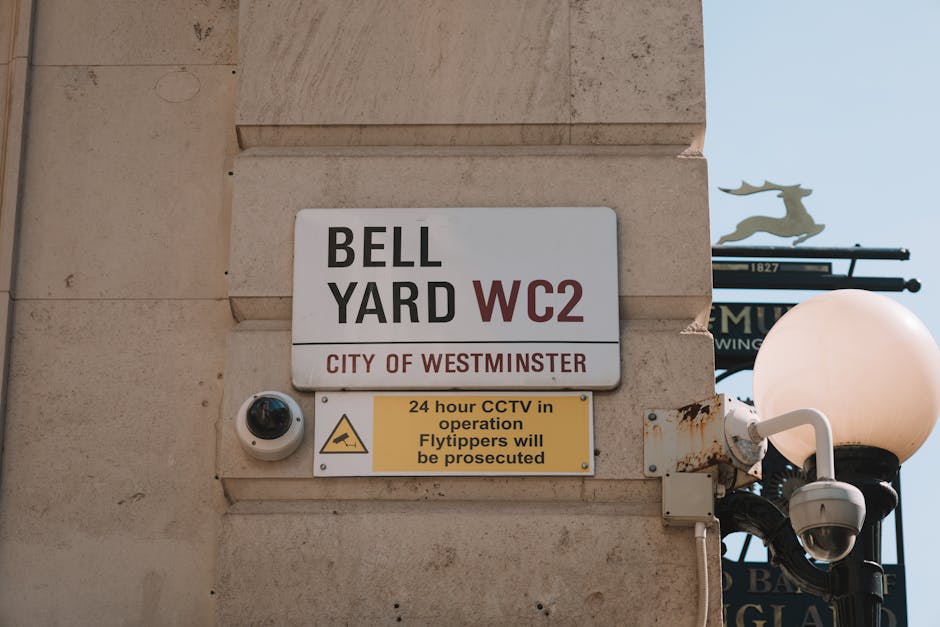
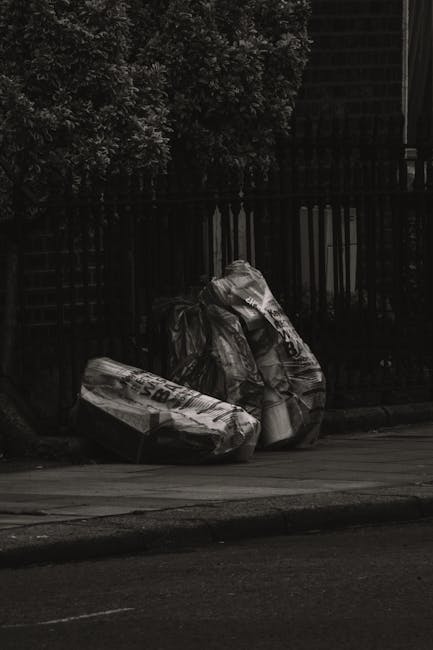
Fly-tipping on UB7 streets can turn a normal morning into a frustrating one. One minute the pavement looks fine; the next, there's a dumped mattress, broken office chairs, bin bags, or a pile of mixed rubbish blocking the way. If you're responsible for a property, managing a site, or simply trying to keep a street clean, dealing with fly-tipping on UB7 streets in Hillingdon quickly becomes less of a nuisance and more of a practical problem that needs calm, sensible action.
This guide explains what fly-tipping means in everyday terms, why it matters locally, and what to do next. You'll find a step-by-step process, useful checks, common mistakes to avoid, and a realistic comparison of your main options. We'll also cover compliance, safety, and what good waste handling looks like in practice. Nothing dramatic. Just the stuff that helps you deal with the mess properly and move on.
For readers wanting a more complete service overview, you may also find the company's about us, pricing and quotes, and recycling and sustainability pages useful later on.
Why Dealing with Fly-tipping on UB7 Streets in Hillingdon Matters
Fly-tipping is more than an eyesore. On UB7 streets, it can affect footpaths, access routes, fire safety, resident confidence, and how a whole street feels to walk down. Let's face it, nobody likes stepping around a torn black sack in the rain while trying to get to work or school. It sends the wrong signal straight away.
In a busy local area, dumped waste often creates knock-on issues. A single pile of rubbish can attract more waste, block visibility for drivers, and make a tidy street look neglected. If a pile contains sharp objects, paint tins, old electronics, or unknown liquids, there's also a genuine safety concern. That's where a prompt and organised response matters.
There's also a practical property angle. Unmanaged fly-tipping can complicate landlord responsibilities, tenant relations, business operations, and site access. For commercial premises, especially, the difference between a short delay and a longer disruption can be annoying in the extreme. One missed collection can become a weekend problem before you know it.
Beyond the immediate mess, dealing with fly-tipping properly supports a cleaner neighbourhood and better waste habits overall. A well-handled response makes it less likely the same spot becomes a repeat dumping location. That little bit of follow-through matters more than people often think.
Practical takeaway: the best fly-tipping response is quick, safe, and documented. Fast action helps reduce risk, while clear records make the whole process easier if you need to report the incident or arrange removal.
How Dealing with Fly-tipping on UB7 Streets in Hillingdon Works
In practice, "dealing with fly-tipping" usually means identifying the waste, checking whether it poses a hazard, deciding who is responsible for removing it, and arranging collection through the right route. The process is a mix of judgement and routine. Not glamorous, but important.
Some incidents are straightforward: a sofa left beside a wall, a few bin bags, or boxes dumped after a move. Others are less simple. Mixed waste can include commercial rubbish, construction debris, confidential documents, or items that need careful handling. That is where a proper waste contractor, site manager, or property owner needs to pause before lifting anything.
Good fly-tipping removal should usually include:
- a quick visual assessment
- photo evidence, where appropriate
- checking for sharps, chemicals, or other hazardous items
- separating recyclable and non-recyclable material where possible
- using a licensed and insured waste service for removal
- making sure the area is left safe and clear
It sounds obvious when written down, but in a real street, with traffic passing and people curious about what's going on, the basics get missed. A calm process beats a rushed one every time.
If the waste is on private land or a managed property, the route can be quicker because the responsible party can authorise removal directly. If it's on a public street, the action taken may depend on the local authority process and the nature of the waste. Either way, the core principle stays the same: don't worsen the problem while trying to fix it.
Key Benefits and Practical Advantages
Handling fly-tipping correctly brings several real-world advantages. Some are obvious. Some show up a few days later when everyone realises the street has gone back to normal and nobody is tripping over rubbish on the pavement anymore.
- Safer access: clear pathways reduce trip hazards and make entrances usable again.
- Less visual blight: a clean frontage improves how homes and businesses are perceived.
- Lower risk of repeat dumping: swift clearance can discourage further incidents in the same spot.
- Better compliance: using a proper waste route helps you avoid careless disposal.
- Improved efficiency: the right service handles lifting, transport, sorting, and disposal.
- Peace of mind: you know the waste is handled properly instead of being shifted from one problem to another.
There's another benefit that often gets overlooked: time. People tend to underestimate how long it takes to sort awkward waste, especially if it includes mixed items, broken furniture, or anything bulky. A local response with the right equipment can save half a day of stress. Maybe more.
For businesses and landlords, that time saving can be the difference between staying on top of the property and letting small issues snowball. And yes, rubbish always seems to multiply when nobody is looking. Strange, but true.
Who This Is For and When It Makes Sense
This topic is relevant to a wide mix of people in UB7. You may be a homeowner who has found waste dumped near a side entrance, a landlord dealing with a tenant turnover, a facilities manager keeping a retail or office site presentable, or a business owner trying to avoid complaints from neighbours. Each situation is slightly different, but the need is the same: clear the waste safely and quickly.
It makes sense to act fast if:
- the fly-tipped waste is blocking access
- children, pets, or the public could come into contact with it
- there are items that could leak, cut, or burn
- the pile is likely to attract more dumping
- you need the area cleared before a delivery, inspection, or opening time
It also makes sense when the rubbish is simply too much to manage alone. A single bulky item can be awkward. A mixed pile is worse. A sharp, soggy, heavy mixed pile on a wet morning? Nobody's idea of fun.
If you're weighing up whether to arrange a professional clearance, check the wider service approach too. Pages such as insurance and safety, health and safety policy, and payment and security can help you judge whether a provider feels properly organised and trustworthy.
Step-by-Step Guidance
If you need a practical route through the problem, use this sequence. It keeps things controlled and avoids the classic mistake of trying to drag waste into a bin bag before you've even checked what's in it.
- Assess the scene from a safe distance. Look for sharp objects, liquid spills, broken glass, or signs of hazardous materials.
- Take clear photos. Capture the full pile and any identifiable details, but don't put yourself at risk for a better angle.
- Check land ownership or responsibility. Is it private property, communal space, or a street-side location? That affects the next step.
- Separate what you can. If it's safe and appropriate, identify reusable, recyclable, and general waste items.
- Arrange the right collection route. For awkward, bulky, or mixed waste, a specialist clearance service is usually the cleanest option.
- Remove waste safely and legally. Make sure the provider uses proper transport and disposal methods.
- Inspect the area after clearance. Check for small debris, staining, and anything left behind at ground level.
- Consider prevention. Improve lighting, access control, signage, or collection timing if the spot seems prone to repeat dumping.
That's the broad process. Simple enough on paper, a bit messier in real life. The key is not to rush. Rushing tends to create secondary problems, like broken bags, spillage, or missing evidence.
If you're looking for next steps or want to speak to someone directly, the contact page is the most straightforward place to start.
Expert Tips for Better Results
Small details make a big difference here. In our experience, the best fly-tipping responses are often the boring ones: steady, careful, and documented. Not exciting, but reliable.
1. Don't assume all dumped waste is harmless
A sofa can hide nails. A bag can contain broken tile, food waste, or sharp metal. Even light-looking rubbish can be unpleasant to handle. Gloves help, but they are not magic.
2. Keep the area as undisturbed as possible
If you need to report the incident or identify patterns, avoid moving items too early. One quick tidy can be one too many if it destroys useful evidence.
3. Work with a provider that treats sorting seriously
Good waste handling is not just about taking items away. It's about deciding what can be reused, recycled, or needs specialist disposal. A proper clearance should feel deliberate, not chaotic.
4. Think about the site pattern, not just the pile
If the same corner, alley, or verge keeps getting hit, there is usually a reason. Dark access, poor visibility, uncontrolled rear entry, or awkward timing can all play a role. Fixing the site pattern matters more than sweeping once and hoping for the best.
5. Keep your records neat
A basic log of date, location, item type, and clearance action can save time later. Nothing fancy. Just enough to show what happened and when.
One small human note: if you've ever tried to remember who said they "might know something about the rubbish," you'll know why notes matter. Memory gets fuzzy surprisingly fast.
Common Mistakes to Avoid
Fly-tipping clearance often goes wrong in predictable ways. The good news is that most of them are avoidable once you know what to watch for.
- Handling unknown waste without checking it first. That is how minor jobs become unsafe jobs.
- Using the cheapest disposal option without checking credibility. Cheap is not always cheap if the waste is mishandled.
- Leaving small debris behind. Tiny shards, screws, and packaging often remain after the main pile is gone.
- Ignoring repeat locations. If a spot has been dumped on before, it may need prevention as well as removal.
- Mixing household waste with construction or commercial waste. Different waste streams can require different handling.
- Not checking access. A clearance job can be delayed by parked cars, low access points, or awkward loading space.
Another common one: waiting too long because the waste "doesn't look that bad." To be fair, rubbish has a habit of getting worse, not better. Especially in wet weather.
Tools, Resources and Recommendations
You don't need a van full of gear to manage fly-tipping well, but a few practical tools help a lot.
- Work gloves: useful for minor handling, though not a substitute for proper care.
- Phone camera: enough for photos and notes before anything is moved.
- Basic barrier tape or cones: helpful when the waste presents a visible hazard.
- Bin bags and sacks: only for safe, appropriate waste that has already been assessed.
- Notebook or digital log: useful for recording what was found and what happened next.
On the service side, a reputable clearance provider should be able to explain how they handle waste segregation, transport, safety, and customer communication. If that information is not clear, that's usually a sign to ask better questions before booking.
You may also want to review the company's recycling and sustainability approach if you care about keeping recoverable material out of general waste where possible. That tends to matter more than people realise, especially on mixed clearances.
Law, Compliance, Standards, or Best Practice
Fly-tipping is not just an inconvenience; it sits within a wider legal and environmental context. While this article is not legal advice, the broad best practice in the UK is clear: waste should be handled by responsible parties, transferred appropriately, and taken to lawful disposal or treatment routes.
For property owners, landlords, and businesses, the safe approach is to make sure anyone removing waste is appropriately set up to do the job. That usually means checking for professionalism, proper documentation, and sensible safety controls. If a contractor cannot explain how waste is handled, that is not a great sign.
Common best practice points include:
- using insured and competent operators
- keeping a record of what was removed
- separating hazardous or specialist items
- avoiding informal handovers of waste to unknown parties
- protecting staff and residents from exposure to unsafe materials
If the material includes electronics, confidential papers, liquids, or sharp construction debris, more care is needed. No one wants a tidy-looking site that quietly leaves a mess somewhere else. That's not a solution. It's a transfer.
For reassurance on operational standards, it can help to review the provider's terms and conditions and complaints procedure. Those pages often tell you a lot about how seriously a business treats service quality.
Options, Methods, or Comparison Table
There is more than one way to deal with fly-tipped waste, but not every method fits every situation. The right choice depends on risk, size, access, and how quickly you need the area clear.
| Option | Best for | Pros | Limits |
|---|---|---|---|
| DIY removal | Very small, safe, light waste | Fast if the pile is minor; low direct cost | Safety risks, time-consuming, unsuitable for mixed or hazardous items |
| Managed site clearance | Landlords, businesses, communal areas | Good for repeat incidents; easier record-keeping | May need coordination and access planning |
| Professional waste collection | Bulky, mixed, awkward, or larger piles | Safer handling, efficient removal, less disruption | Requires booking and cost planning |
| Preventive site changes | Repeat dumping locations | Can reduce future incidents | Does not remove existing waste on its own |
In most real-life UB7 situations, professional collection is the most practical choice once waste becomes bulky, sharp, or time-sensitive. DIY can work for tiny, safe loads, but it stops being sensible quickly. Truth be told, the moment you start wondering whether you need two people to lift it, you probably do.
Case Study or Real-World Example
Picture a narrow residential street in UB7 on a damp Tuesday morning. A resident notices a pile of dumped household waste beside a side access gate: broken drawers, carrier bags, a torn chair seat, and some loose packaging blown halfway across the pavement. It's not huge, but it blocks the path enough to be irritating and a bit unsafe.
The first step is a quick assessment. Nothing obviously hazardous is visible, but there are sharp timber edges and a couple of small glass fragments near the kerb. The resident photographs the scene before moving anything, then checks whether the waste sits on private frontage or a shared strip. Because the pile is mixed and awkward, a standard bin collection won't help. It needs proper removal.
A professional clearance is arranged. The team removes the waste, sweeps the area, and checks for small debris around the gate. They also separate items that can be handled more responsibly rather than sending everything into one general pile. The result is simple: the entrance becomes usable again, neighbours stop stepping around the mess, and the street looks cared for instead of neglected.
That's the quiet win people often miss. Not a big drama. Just a clean, working space again. Which, honestly, is what most people want in the first place.
Practical Checklist
Use this checklist before and during removal so nothing obvious gets missed.
- Identify the exact location of the fly-tipped waste.
- Check for sharps, liquids, chemicals, or other hazards.
- Take photos before moving items.
- Decide whether the waste is on private, communal, or public land.
- Keep residents, staff, or visitors away from the area if needed.
- Separate clearly safe items from anything that needs special handling.
- Book a suitable removal route for bulky or mixed waste.
- Confirm the area is fully clear after collection.
- Record what was removed and when.
- Think about prevention if the site has been affected before.
Expert summary: the best approach to fly-tipping is calm assessment first, safe handling second, and proper removal third. If you get those three right, the rest is usually manageable.
Conclusion
Dealing with fly-tipping on UB7 streets in Hillingdon is really about restoring order quickly and safely. The task may look simple from a distance, but the details matter: safety checks, clear records, proper handling, and the right removal route all play a part. Miss one piece and the job gets harder than it needs to be.
If you're a homeowner, landlord, facilities manager, or business owner, the smartest move is usually the same: act early, avoid guesswork, and use a method that matches the waste in front of you. A tidy street isn't just nicer to look at. It feels better to live and work on, plain and simple.
Get a free quote today and see how much you can save.
If you want to explore the team behind the service, start with the about us page, then move to contact us when you're ready. Small step, big relief.
Frequently Asked Questions
What counts as fly-tipping on UB7 streets?
Fly-tipping is the illegal dumping of waste in a place where it should not be left. On UB7 streets, that might mean a sofa, bin bags, office furniture, building debris, or mixed rubbish dumped on a pavement, verge, alley, or beside a wall.
Is it safe to move fly-tipped waste myself?
Only if the waste is small, clearly harmless, and easy to handle. If you see sharp objects, liquids, heavy items, or anything that looks contaminated, it is safer to stop and arrange proper removal.
How do I know if the waste is on private land or public land?
That usually depends on where the boundary sits and who manages the space. Frontage areas, side passages, and communal access points can be tricky, so if you are unsure, check the property records or ask the responsible managing party.
Can fly-tipped waste attract more dumping?
Yes, it often can. A left-over pile can signal that the spot is easy to use and less likely to be monitored. Clearing it quickly helps reduce that risk.
What should I do first when I discover fly-tipping?
Stay safe, take photos, and assess whether anything is hazardous. Do not handle unknown items too quickly. Then decide whether you need a local authority report, a property manager, or a clearance service.
How long does fly-tipping removal usually take?
It depends on the size of the pile, access conditions, and whether the waste needs sorting. A small collection may be quick, while bulky or mixed waste can take longer, especially if the area is tight.
Do I need a specialist service for mixed rubbish?
Often, yes. Mixed waste can contain different materials that need separate handling. A proper service helps make sure the removal is safe, efficient, and handled in line with waste best practice.
How much does fly-tipping clearance cost?
Costs vary with the volume, type of waste, access, and urgency. The most reliable approach is to request a tailored price rather than guessing. You can review the provider's pricing and quotes information first if you want a sense of how estimates are handled.
What if the dumped waste includes confidential papers or electronics?
Those items need extra care. Papers may require secure handling, and electronics should not just be tossed into general waste without thought. Ask for a method that handles them responsibly.
Can a clearance provider help with prevention too?
They can often help by clearing repeat hotspots quickly and advising on practical site improvements. Prevention may also involve better lighting, access control, or collection timing, depending on the location.
Should I choose the cheapest option available?
Not automatically. The cheapest route can become costly if the waste is mishandled or if the service is not properly insured. It is usually better to look for clear terms, safe processes, and a sensible price.
Where can I ask questions before booking?
The most direct place is the contact us page. If you want to check service expectations first, the company's pages on health and safety and insurance and safety are also worth a look.
And if you are dealing with the mess right now, take a breath. It's frustrating, yes, but it is fixable. One sensible step at a time.