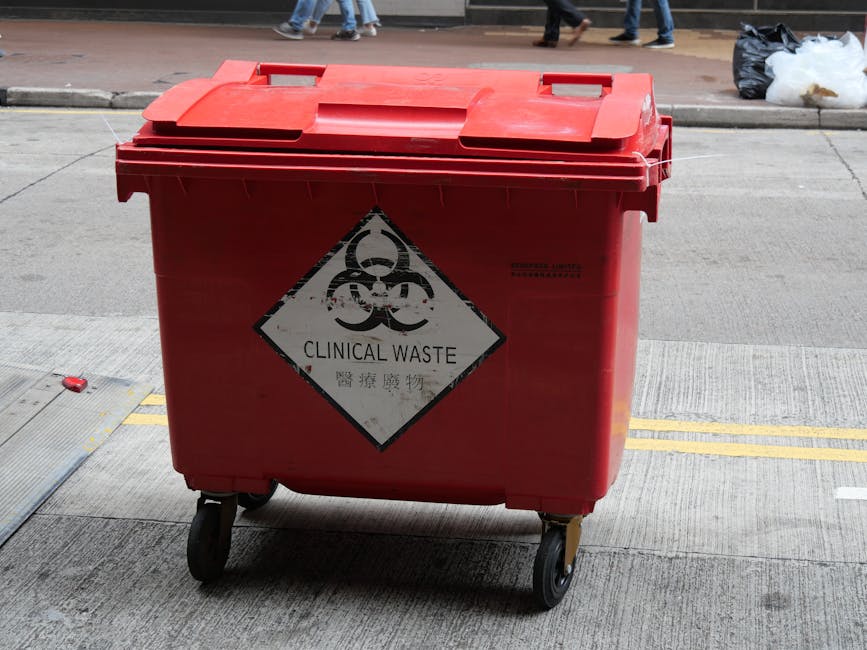
Asbestos Disposal in Hillingdon: Licensed Waste Options
If you are dealing with old insulation board, pipe lagging, textured coating, garage roofing, or other suspect materials, asbestos disposal is not the kind of job you want to improvise. In Hillingdon, the safest route is usually to treat asbestos as a regulated waste stream and use licensed waste options that are built for the job. That matters whether you are clearing a house, managing a renovation, or sorting waste after a small building project.
Truth be told, the hardest part is often not the disposal itself, but knowing what is asbestos, what is not, and what should happen next. This guide breaks down the process in plain English, explains the licensed disposal route, and helps you make sensible decisions without panicking. If you are also managing wider property clearance work, you may find it useful to look at builders waste clearance, house clearance, or general waste removal for the non-hazardous items that can be handled separately.
One quick note: asbestos is a health-and-safety issue first and a waste issue second. If you suspect it has been damaged, disturbed, or scattered, stop and assess before doing anything else. That little pause can save a lot of trouble later.
Table of Contents
- Why asbestos disposal in Hillingdon matters
- How licensed asbestos disposal works
- Key benefits and practical advantages
- Who this is for and when it makes sense
- Step-by-step guidance
- Expert tips for better results
- Common mistakes to avoid
- Tools, resources and recommendations
- Law, compliance, standards and best practice
- Options, methods, and comparison table
- Case study or real-world example
- Practical checklist
- Conclusion
- Frequently asked questions
Why Asbestos Disposal in Hillingdon: Licensed Waste Options Matters
Asbestos still turns up in all sorts of older buildings across London, and Hillingdon is no exception. It may be hidden in roof sheets, soffits, floor tiles, boiler cupboards, cement boards, or old decorative finishes. The challenge is that the material can look ordinary right up until it is disturbed. Then the risk rises quickly.
Licensed waste options matter because asbestos should not be handled like everyday rubble or mixed construction waste. It needs careful containment, traceability, and disposal through the right facilities. That is not just a paperwork preference. It is part of keeping people safe, reducing contamination, and making sure waste does not end up where it should not.
For households, landlords, builders, and business owners, the practical value is simple: less uncertainty, less mess, and a cleaner route through a stressful situation. And let's face it, once asbestos is on the list, most people want the process to be calm, predictable, and done properly the first time.
Expert summary: If asbestos is suspected, the safest approach is to identify it cautiously, avoid disturbance, and use a licensed disposal route with proper containment and documentation. That is the real priority.
In our experience, problems often begin when someone tries to fold asbestos into a general skip or dump it with mixed renovation debris. It seems efficient for about five minutes, then the risk, cost, and stress start multiplying. Not worth it.
How Asbestos Disposal in Hillingdon: Licensed Waste Options Works
The process is usually more structured than people expect. First, the material is identified or at least treated as suspected asbestos until confirmed otherwise. Then it is safely packaged, moved with care, and taken to a permitted facility that accepts hazardous waste.
Licensed disposal means the waste is handled by people who understand the restrictions around asbestos. Depending on the job, this may involve sealed packaging, clear labelling, controlled loading, and the correct waste transfer records. The key is that the waste remains contained from start to finish.
For a straightforward domestic job, the workflow often looks like this:
- Assess the material and confirm whether it is likely asbestos.
- Keep the area undisturbed and limit access.
- Package the waste securely for transport.
- Move it using an appropriate licensed route.
- Dispose of it at an authorised facility with the right documentation.
For larger or mixed clearances, asbestos may be only one part of the picture. A loft strip-out, for example, can include dust, timber, old furniture, and other items. In that situation, asbestos needs to be separated from general waste, while non-hazardous items may be sorted through services such as loft clearance or flat clearance where appropriate.
The important thing to understand is that licensed disposal is not about making the job sound fancy. It is about preventing accidental exposure and ensuring the waste is managed in line with accepted UK practice. Simple as that.
Key Benefits and Practical Advantages
Using licensed asbestos disposal options gives you more than compliance. It also reduces the practical chaos that often comes with older property work.
- Safer handling: the material is contained properly rather than shifted around in makeshift packaging.
- Lower contamination risk: dust and fibres are less likely to spread through the property, vehicle, or yard.
- Clearer accountability: records and transfer notes help show where the waste went.
- Less stress: you are not left wondering whether it was disposed of correctly.
- Better project flow: once the asbestos is dealt with, the rest of the clearance or renovation can move forward.
There is also a very practical advantage that people sometimes overlook: licensed disposal supports better planning. When the hazardous material is identified early, everything else becomes easier to schedule. Trades can work around it. Cleaners can work around it. Even furniture removal or general waste collection becomes more straightforward.
If the wider job includes offices or commercial premises, you may also want to review business waste removal or office clearance for the non-hazardous items that need to be dealt with in parallel. Separating the streams makes life easier, and usually cleaner too.
Who This Is For and When It Makes Sense
This topic is relevant to a surprisingly wide group of people. If you are in Hillingdon and dealing with older materials, there is a decent chance asbestos could be somewhere in the picture.
Typical situations include:
- Homeowners renovating properties built or refurbished in earlier decades
- Landlords preparing a property for new tenants
- Builders and tradespeople uncovering old boards, roof coverings, or insulation during works
- Business owners clearing storage areas, workshops, or outbuildings
- Families handling probate, house clearance, or long-term property clean-outs
It makes sense whenever the material is suspected, damaged, or mixed into a broader clearance job. It also makes sense when you simply do not have the right containment, transport, or disposal process in place. That is not a sign of weakness; it is common sense. The better question is not "can I move this myself?" but "should I?"
For many people, the answer is no. And that is perfectly fine. A careful, professional approach is often the calmest route, especially if the property has multiple waste types or a tight schedule. If you are handling a home-wide clear-out, home clearance may help with the non-hazardous items while asbestos is treated separately.
Step-by-Step Guidance
If you want a practical sequence, here is the simplest way to think about asbestos disposal in Hillingdon.
1. Stop and identify the material carefully
Do not break it up, sweep it, or drag it around to "have a look." If it is suspected asbestos, the safest default is to leave it alone until it is assessed properly.
2. Limit access to the area
Keep children, pets, tenants, staff, and visitors away from the space. Even a small amount of disturbance can spread debris where it is not wanted. You do not need drama, just distance.
3. Separate asbestos from other waste
Mixing it with normal builder's waste is one of the most common errors. Asbestos should be isolated so the hazardous portion can be handled independently.
4. Use the right packaging and labelling
The waste needs to be sealed and clearly identified in line with accepted handling practice. This is not the place for flimsy bags and optimism.
5. Arrange licensed transport and disposal
Use a route that is suitable for hazardous waste and that can take the material to an authorised facility. This is the point where documentation matters, because traceability matters.
6. Clean and check the area afterwards
Once the waste is removed, the surrounding area should be reviewed carefully. If there has been visible damage or contamination, more specialist cleaning may be needed. A rushed tidy-up is rarely enough.
A useful rule of thumb: if the job still feels uncertain after step two, pause and get advice. That tiny delay is better than a big mess later. Honestly, it usually is.
Expert Tips for Better Results
Here are a few practical tips that make a real difference on asbestos-related clearances.
- Assume old flat boards and sheeting may be risky until checked. Some materials are obvious, others are not.
- Keep asbestos waste separate from loose general rubbish. Separation reduces mistakes and helps the whole job stay organised.
- Plan the order of work. Remove or contain the hazardous element before shifting bulky items around it.
- Tell everyone on site. A missed briefing is how people wander in and accidentally disturb the wrong pile.
- Use sensible protective measures. The right equipment and procedures matter far more than bravado.
A small but useful habit is to mark the asbestos area clearly before anyone starts carrying furniture, tools, or rubble past it. It sounds obvious, yet in a busy property with doorways, stairs, and trades coming and going, obvious things get missed. More than you'd think.
If you are combining several types of waste, it may help to review practical pages like builders waste clearance and recycling and sustainability so the rest of the project is handled efficiently and responsibly.
Common Mistakes to Avoid
Most asbestos problems start with good intentions and a bad shortcut. Here are the biggest mistakes to avoid.
- Assuming every dusty board is harmless. If you do not know what it is, treat it carefully.
- Breaking sheets or panels to make them fit. That increases the chance of fibre release and contamination.
- Putting asbestos in a standard skip. Ordinary waste routes are not suitable for hazardous asbestos material.
- Cleaning with a dry brush or household vacuum. That can spread material further rather than solving anything.
- Mixing asbestos with timber, plaster, and rubble. Once it is blended in, sorting becomes harder and riskier.
- Leaving it sitting in a garage or shed. The job is not done just because it is out of sight.
One of the most frustrating situations is when a clearance starts well, then someone says, "I'm sure it's fine, just take it with the rest." That is where a careful process pays for itself. It avoids rework, awkward disposal issues, and unnecessary exposure. The boring path is often the best one.
Tools, Resources and Recommendations
You do not need a van full of specialist gear to understand the basics, but a few practical tools and documents make a big difference.
- Site notes or photos: useful for recording where the material was found before anything is moved.
- Clear labels: helps prevent accidental mixing with other waste streams.
- Protective coverings and sealed containers: support safer handling and transport.
- Waste transfer paperwork: important for traceability and records.
- Trusted service information: useful for coordinating the hazardous and non-hazardous parts of the job.
For related practical support, it can also help to explore pricing and quotes if you are trying to understand budget planning, or insurance and safety if you want extra reassurance around how a clearance is approached.
Where a property is being emptied because of bereavement, relocation, or a long-overdue sort-out, services such as garage clearance or house clearance can help with the rest of the contents while the asbestos is kept in its own lane. That separation is usually the smart move.
Law, Compliance, Standards, and Best Practice
Asbestos disposal sits within a regulated waste and health-and-safety environment. In the UK, the main point to remember is that asbestos should be managed cautiously, with the right controls, correct handling, and proper disposal routes. Exact legal duties can depend on the type of property, who is carrying out the work, and how much material is involved, so care is needed.
Best practice usually includes:
- Identifying suspect materials before disturbance
- Keeping hazardous waste separate from general waste
- Using suitable containment for handling and transport
- Maintaining clear waste records
- Using authorised disposal facilities
For commercial premises, the duty to protect staff, contractors, and visitors becomes especially important. That is where a documented process, visible site controls, and a sensible waste plan really matter. If the work involves a business site, business waste removal can be part of the wider plan, but asbestos should still remain a distinct category.
If you are unsure about the compliance side, the safest approach is to slow down and ask for help before moving the material. To be fair, that is the professional answer in most regulated situations. Not exciting, but right.
Options, Methods, or Comparison Table
People often ask whether asbestos should be handled as part of a general clearance, a specialist hazardous waste job, or a mixed project where both happen together. The answer depends on the material, the setting, and the level of risk.
| Option | Best for | Pros | Limitations |
|---|---|---|---|
| General clearance only | Non-hazardous items | Fast, simple, useful for furniture and household items | Not suitable for asbestos |
| Licensed asbestos disposal | Suspected or confirmed asbestos waste | Safer, compliant, traceable | Requires careful segregation and correct handling |
| Mixed project with separate waste streams | Renovations, probate clearances, property refreshes | Efficient when several waste types are involved | Needs good coordination and clear labelling |
The middle option is usually the one people need when asbestos is involved. The mixed project can work well too, as long as the hazardous material is treated differently from the rest. That distinction is the whole game, really.
Case Study or Real-World Example
A typical scenario in Hillingdon might look like this: a homeowner begins clearing an older outbuilding and finds several rigid sheets stored behind shelving. There is dust, some broken edges, and a vague sense that this is not just ordinary board. Instead of pushing forward and loading everything into the back of a vehicle, they stop, keep the area closed off, and separate the suspect sheets from the rest of the contents.
The rest of the outbuilding can still be cleared. Old tools, broken furniture, cardboard boxes, and general waste go through a normal route, while the suspect material is handled as a separate stream. The result is calmer, safer, and more organised. No one has to re-sort a mixed mess later, and the property can move forward without that nagging uncertainty in the background.
That kind of approach is common sense, not over-caution. And when the room smells of damp timber, old dust, and that unmistakable "this has been here too long" feeling, a structured process is exactly what you want.
Practical Checklist
Use this checklist before any asbestos disposal job gets underway:
- Have the suspect materials been identified carefully?
- Has access to the area been restricted?
- Has asbestos been separated from all general waste?
- Are packaging and labelling suitable for hazardous waste handling?
- Is there a clear route for licensed transport and disposal?
- Are waste records or notes being kept?
- Has the rest of the clearance been planned around the asbestos?
- Have everyone on site been told not to disturb the material?
- Has the post-removal area been reviewed for contamination?
- Do you know who to contact if the situation changes?
If the answer to any of those is "not yet," pause and tidy up the plan before moving forward. A measured pace now usually saves time later. That is one of those annoying truths that keeps proving itself.
Conclusion
Asbestos disposal in Hillingdon is not something to wing. The safest and most sensible route is to treat suspect material as a controlled waste stream, separate it properly, and use licensed disposal options that keep the process contained and traceable.
Whether you are clearing a home, preparing a property for sale, or managing a renovation with several waste types, the basic principle stays the same: protect people first, manage the waste properly, and do not let the hazardous part get mixed into the rest. Once that is in place, the whole project becomes far more manageable.
If you are planning a broader clearance and want to handle the non-hazardous items at the same time, it may help to review about us for background on the team, or check the practical detail on terms and conditions before moving ahead. Small steps, done properly, make a big difference.
Get a free quote today and see how much you can save.
And if the situation feels messy, take a breath. A careful plan beats a rushed one every time.
Frequently Asked Questions
What is the safest way to deal with suspected asbestos in Hillingdon?
The safest approach is to avoid disturbing it, keep people away from the area, and treat it as hazardous until it has been assessed and handled through the right disposal route.
Can asbestos go in a normal skip or mixed waste load?
No. Asbestos should not be mixed with ordinary waste because it needs controlled handling and disposal through a suitable licensed route.
Do I need to remove asbestos myself before disposal?
Not necessarily, and in many cases that is not the best idea. The right approach depends on the condition of the material and the risks involved. If you are unsure, stop and get guidance before moving it.
How do I know if a material contains asbestos?
You usually cannot confirm that by sight alone. Old building materials can look similar whether they contain asbestos or not, so caution is important whenever there is doubt.
What should I do if asbestos has already been broken?
Limit access to the area, avoid sweeping or vacuuming with household equipment, and do not keep moving the debris around. A damaged material situation needs a careful response.
Is asbestos disposal only for big building projects?
No. It can come up in small home jobs, garage clearances, loft clear-outs, landlord repairs, and even modest renovation work.
Will licensed disposal cost more than ordinary waste removal?
Usually yes, because hazardous waste needs extra controls, packaging, transport, and disposal arrangements. The cost reflects the extra care required.
Can I clear the rest of the property while asbestos is present?
Yes, often you can, provided the asbestos is kept separate and the work is planned carefully. Non-hazardous items may be handled through services such as house clearance, garage clearance, or builders waste clearance.
What records should be kept after asbestos disposal?
Waste records, notes, or transfer documentation are commonly kept so there is a clear trail showing how the hazardous waste was handled and where it went.
When should I stop and ask for help?
If you are unsure what the material is, if it has been damaged, or if the waste is mixed with other debris, that is the moment to pause. A few minutes of caution can prevent a much bigger problem.
Can asbestos disposal be arranged alongside other clearance work?
Yes, and that is often the most practical approach. The key is to separate the hazardous waste from the rest and keep the process well organised from the start.
What happens after the asbestos has been removed?
The area should be checked for any remaining contamination or debris. If there has been damage or spread, additional cleaning or a more specialist response may be needed.